MedTech Business Development Trends
1. Introduction: The New Face of MedTech

The medical technology (MedTech) industry is entering a defining era — one marked by convergence, collaboration, and accelerated innovation. Once focused mainly on surgical tools and prosthetic implants, the MedTech landscape has significantly expanded into a complex ecosystem that integrates hardware, software, data and services to enable smarter, more connected patient centric care.
Today, MedTech sits at the intersection of engineering, biology and digital intelligence. Artificial intelligence (AI) algorithms can detect disease before symptoms appear. Smart robotics perform surgeries with unprecedented precision. Data from wearable devices empower patients and care givers to manage chronic conditions, and Cloud-based platforms help healthcare professionals by providing immediate and secure access to patient data from any connected location. Enabling better collaboration, accurate analytics with improved diagnostics, and supporting flexible, cost-effective care delivery.
However, these technological leaps are only one side of the transformation. The other, equally important, is strategic. Business development in MedTech is no longer just about product launches or geographic expansion. It’s about building ecosystems: partnerships that connect manufacturers, healthcare providers, payers, software firms, and patients in ways that create mutual value and measurable outcomes.
The global MedTech market, including medical devices, is projected to exceed USD 630 billion by 20251 with a CAGR of 5.51% (2025-2030). Digital health and connected devices account for a significant portion of that growth. In Singapore, the market is projected to reach US$1.38 billion in 20252 with a CAGR of 6.80% (2025-2030). Post-pandemic realities have accelerated this momentum. The shift toward remote monitoring, telehealth and decentralized care has permanently changed how medical technologies are developed, deployed and financed.
For business development professionals, this means mastering not only traditional commercial strategies but also new competencies — data partnerships, regulatory navigation, digital integration, and ESG (Environmental, Social, Governance) alignment. The future of MedTech business development will be written by those who can synergistically combine technical understanding with strategic partnerships.
2. Core Drivers of MedTech Business Development
To understand where MedTech business development is headed, it’s useful to examine the forces driving its evolution. These drivers are reshaping industry priorities, influencing investment decisions, and redefining what success looks like.
Innovation Acceleration
Innovation cycles in MedTech have compressed significantly. Once, developing a new implant might have taken 10 years from concept to commercialization. Now, thanks to advanced simulation, additive manufacturing, and digital prototyping, the process occurs within half that time or less.
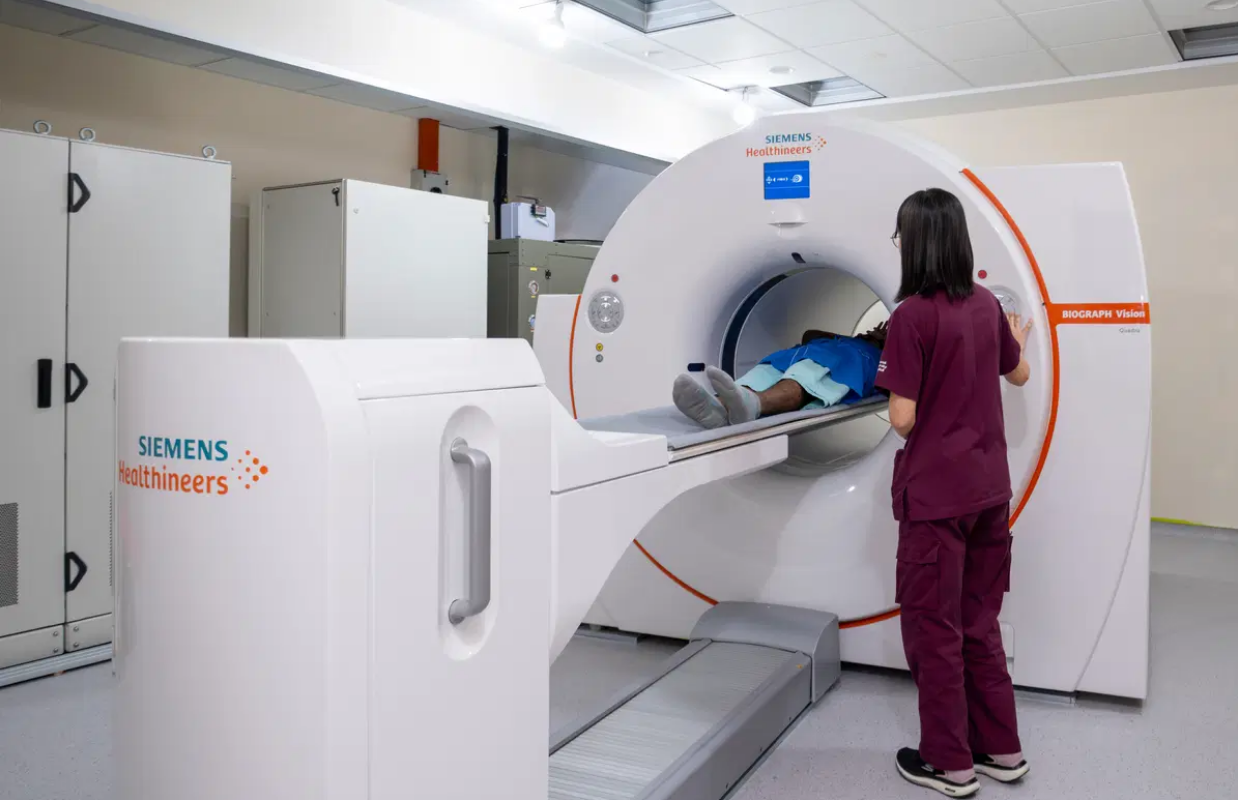
Picture courtesy of Siemens Healthineers Singapore
AI and machine learning have become integral to R&D pipelines. They are being used not only to design products but also to identify new therapeutic opportunities. For example, Siemens Healthineers uses AI-driven imaging analytics to accelerate radiology insights3, while Medtronic leverages AI in cardiac monitoring to personalize device settings for individual patients4.
The speed of MedTech innovation is boosted by cross-disciplinary collaboration. Numerous breakthroughs are a result of combining materials science, data analytics and clinical research. Business development teams increasingly act as “connectors”, brokering relationships between startups, academic institutions and investors. Turning emerging technologies into scalable solutions in record time.
Digital Transformation
Digitalization is now the foundation of competitiveness. The Internet of Medical Things (IoMT), networks of connected devices that collect and exchange health data, is transforming both patient care and business models.
Companies like Philips have built entire ecosystems around digital connectivity. Their HealthSuite platform integrates data from imaging systems, wearables and hospital networks, providing clinicians with unified insights across the continuum of care.5 Its connectivity supports new service-based revenue models such as remote equipment management and predictive maintenance.
Digital transformation is also reshaping customer engagement. From virtual sales calls to AI-assisted clinical education, MedTech firms are leveraging data to better understand customer needs, improve retention and forecast market shifts with greater accuracy and speed.
Value-Based Healthcare
Globally, healthcare systems are moving away from fee-for-service reimbursement toward value-based models, where payment is tied to outcomes rather than volume. For MedTech companies, this creates opportunities but also higher customer demands.
Business development professionals must now articulate the economic value of their innovation. They must not only prove that their technology works but also be able to improve patient outcomes and reduce costs. This involves collaborating with healthcare professionals, health economists, insurers and policymakers to generate real-world evidence that support financial justifications.
For instance, Abbott’s FreeStyle Libre glucose monitoring system has gained traction partly because the collected data is able to demonstrate its potential in reducing hospitalizations for diabetic patients. Similarly, Stryker leverages patient outcome data to demonstrate the long-term cost benefits of robotic-assisted surgery.
Consumerization of Health
Patients are no longer passive recipients of care; they are active participants equipped with wearable technology and mobile health apps informing them of their health data. This change in consumer profile is influencing product design and marketing across the MedTech industry.
Aesthetic appeal, comfort, ease of use, and digital integration are now important factors in adoption. Devices such as Dexcom’s G7 or Apple’s HealthKit-enabled watch demonstrate how consumer expectations are reshaping what constitutes “medical-grade.” Business development teams are increasingly trying to bridge clinical standards with consumer insights, ensuring that new technologies meet both regulatory standards and lifestyle demands.
3. Emerging Business Models
The transformation of MedTech is as much about how companies generate value as it is about what they make. Business models that were once focused on device sales are evolving toward recurring revenue models, digital platforms, and collaborative ecosystems.
Platform Ecosystems
Traditional one-off product sales are being replaced by integrated platform strategies. Companies like Philips, GE HealthCare, and Siemens Healthineers are creating digital environments that connect diagnostics, imaging, and monitoring data.
These platforms enable third-party developers to plug in complementary software or analytics solutions, effectively turning MedTech companies into orchestrators of broader healthcare ecosystems. This shift deepens customer relationships, as hospitals and clinics become reliant on continuous digital integration rather than single device purchases.
Subscription and Service Models
The rise of “MedTech-as-a-Service” (MTaaS) reflects a broader industry move toward outcome-driven contracts. Instead of selling hardware outright, firms provide subscription access to devices bundled with maintenance, software updates, and performance analytics.
For example, Siemens’ Teamplay digital platform offers hospitals real-time performance monitoring of imaging equipment. Clients pay not just for the device but also get optimum uptime, efficiency, and data insights, aligning vendor incentives with user outcomes.
This model offers predictable recurring revenue for manufacturers while allowing healthcare providers to reduce downtime and improve user experience.
Data Monetization
As devices become more connected, the data economy in healthcare is rapidly expanding. Anonymized patient data, when ethically managed, provides immense value for predictive modeling, clinical research, and product optimization.
Companies like Tempus and Butterfly Network are building data-driven business models where insights, rather than devices, form the core value proposition. The key challenge for business development leaders is ensuring compliance with evolving privacy regulations, such as GDPR and HIPAA, while creating new revenue streams from data partnerships.
GDPR - EU’s General Data Protection Regulation
HIPAA - US’s Health Insurance Portability and Accountability Act of 1996
Cross-Sector Collaboration
Boundaries between MedTech, Pharma, and Digital health are dissolving. Drug-device combinations, digital therapeutics, and remote care programs exemplify how cross-sector partnerships create new markets.
The collaboration between Medtronic and Novo Nordisk, integrating insulin delivery systems with glucose monitoring and mobile apps, demonstrates how hybrid solutions can transform disease management. Similarly, ResMed and Google Cloud have teamed up to enhance sleep health analytics through AI.
Entry of Tech Giants
The entrance of global technology leaders has disrupted traditional competitive dynamics. Apple, Google, Amazon, and Microsoft bring vast data infrastructure, software expertise, and user experience capabilities to healthcare.
Apple’s ecosystem seamlessly integrates personal health monitoring with medical data sharing, while Google’s AI research in medical imaging has set new benchmarks for diagnostic accuracy. Amazon’s acquisitions in telehealth and pharmacy show how digital-first approaches can bypass conventional healthcare channels.
For MedTech companies, this presents both threats and opportunities. They need to innovate faster, collaborate synergistically, and define their place within an increasingly digitized health economy.
4. Business Development Strategies in Practice
In such a dynamic environment, business development leaders are rethinking how they identify growth opportunities, structure deals, and manage partnerships. The key strategies are characterized by agility, collaboration, and ecosystem thinking.
Mergers and Acquisitions
M&A remains one of the most powerful levers for innovation and scale. However, the rationale behind deals has shifted. Instead of horizontal consolidation, many acquisitions now target digital capabilities or emerging technologies.
Stryker’s acquisition of Vocera Communications in 2022, for example, added a digital patient communication platform that complements its surgical device portfolio. Similarly, Boston Scientific’s purchase of Preventice Solutions expanded its reach into remote cardiac monitoring.
For business development teams, this means scouting beyond traditional competitors and looking toward software, AI, and analytics firms as strategic acquisition targets.
Venture Capital and Startup Ecosystems
Corporate venture capital (CVC) has become a cornerstone of innovation strategy. Rather than relying solely on internal R&D, leading MedTech companies are investing in startups that can complement their long-term goals.
Programs like Johnson & Johnson Innovation (JLABS), Medtronic Ventures, and Siemens Healthineers Digital Ecosystem Fund provide capital, mentorship, and access to regulatory expertise. This model accelerates innovation while distributing risk.
The startup ecosystem is also thriving in Asia Pacific, where countries like Singapore, China, Japan and South Korea have established healthtech incubators and innovation clusters to attract investment and talent.
Global Market Expansion
Emerging markets offer immense potential. Growth in Southeast Asia, India, Africa, and Latin America is driven by rising middle-class populations, increasing government healthcare investment, and demand for affordable healthcare technology.
Success in these regions requires local partnerships, tailored pricing strategies, and adaptive regulatory approaches. For example, Abbott has localized its diabetes and diagnostic solutions for Asia-Pacific markets, focusing on affordability and scalability.
Business development leaders must balance global brand consistency with regional localization, aligning product design, service delivery, and partnership models to local health system requirments.
Co-Creation with Clinicians
Perhaps the most underrated yet powerful strategy is co-creation. Partnering directly with clinicians during product development ensures innovations are clinically relevant, practical, and user-friendly.
Hospitals increasingly act as innovation partners, not just end-users. For instance, Mayo Clinic’s innovation labs collaborate with MedTech companies to test prototypes in real-world clinical settings. This approach accelerates adoption and builds credibility.
For business development leaders, co-creation is not only a development strategy but also a relationship strategy. Customers are now also collaborators in the development of new products and services.
5. Technology Trends Reshaping the Industry
Technology is the engine driving MedTech’s business evolution. Each major advancement opens new pathways for growth and strategic differentiation.
Artificial Intelligence (AI)
AI is no longer experimental; it’s integral to MedTech competitiveness. From diagnostics to supply chain management, AI enhances efficiency, precision, and decision-making. For example, Siemens Healthineers employ AI to automate radiology workflows, reducing image processing time and improving diagnostic confidence. Zebra Medical Vision and Aidoc provide AI-based imaging analytics that assist radiologists in detecting abnormalities earlier and more accurately. Biofourmis, a Singapore-based healthtech firm, uses AI-powered analytics to predict patient deterioration, allowing proactive clinical intervention.
AI also transforms business development practices. Leaders use AI to analyze customer data, perform accurate segmentation, and identify market trends.
Robotics and Automation
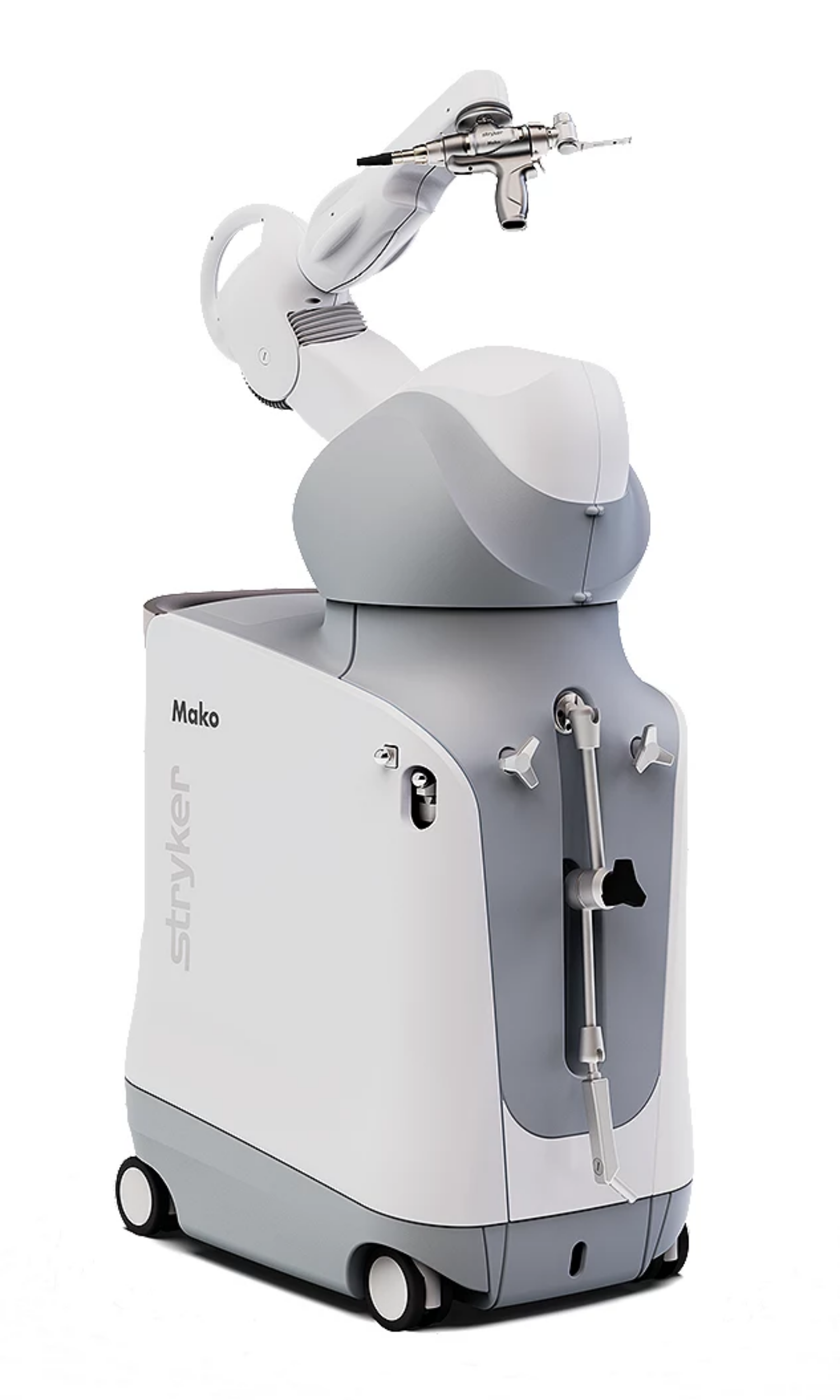
Picture courtesy of Stryker
Robotic-assisted surgery and rehabilitation have become mainstream. Systems like Intuitive Surgical’s da Vinci, Stryker’s Mako, and Zimmer Biomet’s Rosa have elevated surgical precision while reducing recovery times.
Automation also plays a growing role in production and quality assurance. Smart factories now use robotic assembly and AI-driven inspection to maintain stringent quality standards while optimizing costs.
From a business development standpoint, robotics expands service potential — companies can offer not only equipment but also training, software updates, and cloud analytics as part of ongoing service contracts.
Wearables and Remote Monitoring
The global shift toward outpatient and home-based care is fueling demand for connected devices. Continuous monitoring solutions such as Dexcom’s G7 or Abbott’s FreeStyle Libre is redefining the way chronic disease is managed.
Startups like Biofourmis and Current Health partner with hospitals to deliver remote monitoring programs that integrate patient-generated data into electronic health records.
This model blurs the traditional boundary between clinical and consumer technology and creates recurring service opportunities in data analytics, predictive insights, and digital therapeutics.
6. Regulatory and Reimbursement Environment
The business of MedTech has always operated within a complex regulatory landscape — but the rapid digitization of healthcare is redefining what compliance means. Today, business development teams must understand not just device approval pathways, but also the evolving frameworks governing software, algorithms, and patient data protection.
Global Regulatory Trends
Across key markets, regulators are adapting to keep pace with technological innovation. The U.S. FDA’s Digital Health Center of Excellence has been instrumental in advancing guidance for AI/ML-enabled devices, software as a medical device (SaMD), and cybersecurity standards. Similarly, the European Union Medical Device Regulation (EU MDR) introduced more stringent requirements for clinical evaluation, post-market surveillance, and transparency, thereby reshaping the competitive field for startups and established companies.
In the Asia-Pacific region, harmonization is emerging through initiatives such as the ASEAN Medical Device Directive (AMDD), helping regional manufacturers align with harmonized standards across South East Asia. This creates opportunities for firms that can navigate these frameworks quickly, leveraging regulatory readiness as a differentiator in market expansion.
For business development leaders, regulatory acumen is now a core competency. Partnerships and acquisitions must be evaluated not only for financial or technological fit but also for regulatory alignment and compliance viability.
Reimbursement Models and Value Demonstration
A major challenge for MedTech innovators lies in securing reimbursement. As global healthcare systems transition to value-based care, the emphasis shifts from device performance to clinical outcomes and cost-effectiveness. Demonstrating real-world evidence (RWE) is critical — and companies that can capture and analyze post-market data gain a competitive edge in negotiations with payers.
For example, Medtronic’s AdaptivCRT™ algorithm adjusts cardiac resynchronization therapy in real time, improving patient outcomes and reducing hospital readmissions. Its reimbursement success stems from robust RWE supporting not just efficacy, but measurable economic impact. Similarly, Abbott’s Freestyle Libre continuous glucose monitoring system has gained reimbursement across multiple markets because it demonstrates improved glycemic control and long-term cost savings.
Cybersecurity and Data Governance
As connected medical devices proliferate, cybersecurity has become a critical issue. Business developers must now assess digital risk in due diligence and partnership discussions. The costs of noncompliance for both business and reputation can be immense. Regulators are tightening requirements: the FDA now mandates cybersecurity documentation in premarket submissions, and the EU MDR treats cybersecurity as a fundamental safety concern.
Effective data governance frameworks, encryption standards, and incident-response protocols are therefore not just technical necessities but business differentiators. Firms with transparent and robust data management practices enjoy higher trust from healthcare institutions and faster adoption.
7. Sustainability and ESG Considerations
Sustainability is no longer a peripheral concern in MedTech, it’s becoming central to strategy, investment, and business development. Environmental, social, and governance (ESG) factors are influencing purchasing decisions, partnerships, and investor confidence.
Environmental Responsibility
Medical devices and consumables have traditionally depended on single-use plastics and energy-intensive manufacturing. Now, companies are being pushed to innovate the use of sustainable materials and renewable energy, without compromising quality and performance. Leaders like Philips and Siemens Healthineers have committed to carbon neutrality, introducing circular economy models that recover and refurbish product components.
For example, Philips’ “Hospital of the Future” initiative includes closed-loop product lifecycle management, enabling hospitals to recycle imaging systems and reuse materials responsibly. Such models not only reduce waste but also open new revenue streams through device refurbishment programs.
Social and Access Equity
The social dimension of ESG is equally important. Business development strategies increasingly consider how products can reach underrepresented or resource-limited populations. Emerging markets in Southeast Asia, Africa, and Latin America present significant growth potential. MedTech companies need to be able to create affordable, accessible and scalable innovations.
Companies like Biofourmis (Singapore) have pioneered remote patient monitoring platforms that reduce healthcare costs while expanding access in underserved regions. Partnerships with public health systems and NGOs are becoming common as firms seek to balance profitability with social impact.
Ethical Data Use and Governance
With AI-driven healthcare solutions, ethical governance extends to data collection and usage. Patients are increasingly aware of how their data is used and monetized. Trust is now a key differentiator. Transparent communication, consent management, and equitable AI model design are now fundamental to successful MedTech development.
Business developers play a critical role here: ethical frameworks must be built into partnership agreements, investment decisions, and ecosystem governance structures. Firms that prioritize ESG compliance early enjoy smoother pathways to procurement, investment, and public trust.
8. Market Landscape: Key Players and Innovators
The MedTech landscape is highly dynamic, populated by established global leaders and a fast-growing cohort of digital-first startups. Understanding this ecosystem is crucial for identifying collaboration, acquisition opportunities, and competitor analysis.
Global Leaders
Companies like Medtronic, Siemens Healthineers, GE HealthCare, Abbott, Philips, Stryker, and Johnson & Johnson continue to dominate, leveraging scale, brand reputation, and R&D investment. However, even these giants are evolving rapidly to remain competitive.
Medtronic has diversified into data-driven healthcare solutions and AI-enabled monitoring.
GE HealthCare is investing heavily in precision diagnostics and imaging analytics.
Stryker’s Mako robotic system redefined orthopedic surgery by combining mechanical precision with AI-guided planning.
These firms are also pursuing strategic acquisitions of startups to accelerate innovation — Medtronic’s acquisition of Digital Surgery and Stryker’s purchase of OrthoSensor are notable examples.
Emerging Innovators and Startups
Startups and scale-ups continue to be the innovation engine of the MedTech sector.
Butterfly Network revolutionized ultrasound imaging with a handheld, smartphone-connected device powered by semiconductor technology.
Tempus combines AI and real-world clinical data to deliver precision oncology insights.
Biofourmis, headquartered in Singapore, integrates wearable sensors with AI analytics to support personalized, predictive care.
MindMaze, a Swiss neurotechnology company, uses virtual reality and motion capture to aid neurological rehabilitation.
For business developers, these innovators present partnership and acquisition opportunities — but also competitive threats. The ability to identify, engage, and integrate with such firms early can determine long-term market positioning.
APAC and Regional Ecosystems
The Asia-Pacific region is emerging as a critical growth frontier. Governments are investing in healthcare infrastructure, digital health policies, and regulatory alignment. Singapore’s ecosystem, anchored by institutions like A*STAR and SGInnovate, has become a MedTech hub connecting Western technologies with Asian markets. Meanwhile, India’s “Make in India” initiative and China’s medical device innovation drive are reshaping global supply chains.
Business developers targeting APAC must balance innovation with localization — adapting products for affordability, infrastructure constraints, and diverse regulatory environments.
9. Future Outlook: Where MedTech Business Development Is Headed
The next decade in MedTech will be defined by integration, intelligence, and inclusion. The boundaries between medical devices, pharmaceuticals, and digital health will blur, creating new ecosystems that prioritize prevention, personalization, and predictive care.
Convergence of MedTech, Biotech, and Digital Health
Future business models will integrate device, drug, and data into unified care pathways. For example, drug-device combinations such as connected inhalers or insulin delivery systems merge pharmaceutical efficacy with real-time digital monitoring. This convergence creates new opportunities for cross-industry partnerships — and challenges traditional definitions of competition.
Predictive and Preventive Healthcare
With advances in AI and biosensing, healthcare will increasingly shift from reactive treatment to predictive intervention. Companies that can deliver early detection and continuous health management will thrive. Dexcom’s continuous glucose monitors and CardioMEMS pulmonary sensors exemplify this direction — empowering patients and clinicians to act before adverse events occur.
For business development leaders, predictive care models open new partnership avenues with insurers, wellness platforms, and employers — transforming MedTech from a clinical supplier to a holistic health enabler.
Patient Data Ownership and Empowerment
As patients demand more control over their health data, new data-sharing frameworks are emerging. Blockchain-based systems and decentralized storage models could redefine how health data is accessed and monetized. Firms that respect patient autonomy and offer transparent data stewardship will gain a significant trust advantage.
AI Governance and Ethical Innovation
AI will continue to shape MedTech business strategies — from diagnostics and workflow optimization to supply chain forecasting. However, as AI becomes integral, governance frameworks around bias, transparency, and accountability will be paramount. Forward-looking companies are already establishing internal AI ethics boards and embedding fairness checks into algorithm design.
Global Health Inclusion
Finally, the future of MedTech business development must include equitable access. The next wave of growth will come from scalable innovations tailored to the needs of developing regions — solutions that are low-cost, durable, and digitally connected. Firms that can align profitability with inclusivity will define the next generation of MedTech leadership.
10. Conclusion: Building the Future of MedTech
The MedTech industry stands at the intersection of science, technology, and human need. The landscape is more interconnected than ever, with opportunities emerging from data analytics, AI, and global collaboration. Yet this complexity also demands new capabilities from business development professionals — the ability to think strategically across disciplines, regions, and regulatory systems.
To succeed, MedTech firms must combine technological innovation with strategic agility and ethical foresight. The companies that will lead the next decade are those that build ecosystems — not just devices — and create value that extends beyond the product to the patient experience itself.
In this new paradigm, business development is not merely a growth function. It is the catalyst that bridges innovation and impact, technology and trust, profit and purpose. The future of MedTech belongs to those who can build partnerships that improve both outcomes and lives.
References
Medical Technology Worldwide, Statistica. https://www.statista.com/outlook/hmo/medical-technology/worldwide
Medical Technology - Singapore, Statistica
https://www.statista.com/outlook/hmo/medical-technology/singapore
Advancing intelligence, empowering decisions AI technology for better patient care in radiology, Siemens-Healthineers
https://www.siemens-healthineers.com/medical-imaging/ai-in-radiology
LINQ II™ insertable cardiac monitor, Medtronic
https://www.medtronic.com/en-us/healthcare-professionals/products/cardiac-rhythm/cardiac-monitoring/insertable-cardiac-monitors/linq-ii-icm.html
HealthSuite Digital Platform, Philips
https://www.philips.com.my/healthcare/innovation/about-health-suite